Introduction
In the world of medical care, specialized knowledge and abilities are paramount. Wound treatment nursing is one such field of expertise that needs a deep understanding of wound pathology, treatment techniques, and client monitoring. The function of an injury treatment registered nurse extends past standard treatment; it entails vital reasoning, medical judgment, and compassionate patient engagement. As the population ages and persistent health problems become much more widespread, the demand for knowledgeable injury care professionals remains to rise. This short article explores the intricacies of Wound Treatment Registered nurse Training: Getting Ready For Real-World Challenges, describing the education and learning needed, the obstacles faced in practice, and methods for reliable wound management.
Wound Treatment Registered nurse Training: Planning For Real-World Challenges
Wound treatment registered nurse training is not just a scholastic endeavor; it's a thorough technique to furnish nurses with important abilities to handle intricate scenarios involving clients with wounds. From surgical injuries wound care nurse training to pressure abscess and diabetic person foot ulcers, each situation offers distinct challenges requiring customized options.
Understanding Wound Pathophysiology
The Recovery Refine of Wounds
Before diving right into functional applications, it's critical to comprehend just how injuries recover. The healing process includes 4 phases: hemostasis, inflammation, proliferation, and renovation. Each phase plays a vital role in bring back skin integrity.
Hemostasis: Promptly after injury, capillary tighten to decrease bleeding. Inflammation: White blood cells migrate to the website to prevent infection. Proliferation: New tissue forms as fibroblasts produce collagen. Remodeling: The injury grows gradually as collagen reorganizes.Understanding these phases is foundational in wound treatment professional training, enabling registered nurses to analyze recovery progression accurately.
Types of Wounds
Different types of injuries necessitate various techniques:
- Acute Wounds: Surgical lacerations that typically follow a foreseeable healing path. Chronic Wounds: Such as venous ulcers or diabetic person foot ulcers that might call for advanced interventions.
By recognizing these distinctions beforehand in their training, registered nurses can customize their treatment plans accordingly.
Wound Care Educating for Registered Nurses: Curriculum Overview
Core Elements of Training Programs
Most wound treatment training courses include numerous core parts vital for establishing qualified specialists:
Anatomy and Physiology Basic Wound Treatment Techniques Advanced Treatment Modalities Patient Assessment Skills Psychosocial Consider Healing Legal and Moral ConsiderationsThese elements make certain that nurses have a versatile education encompassing both academic expertise and sensible skills.
Hands-On Training Opportunities
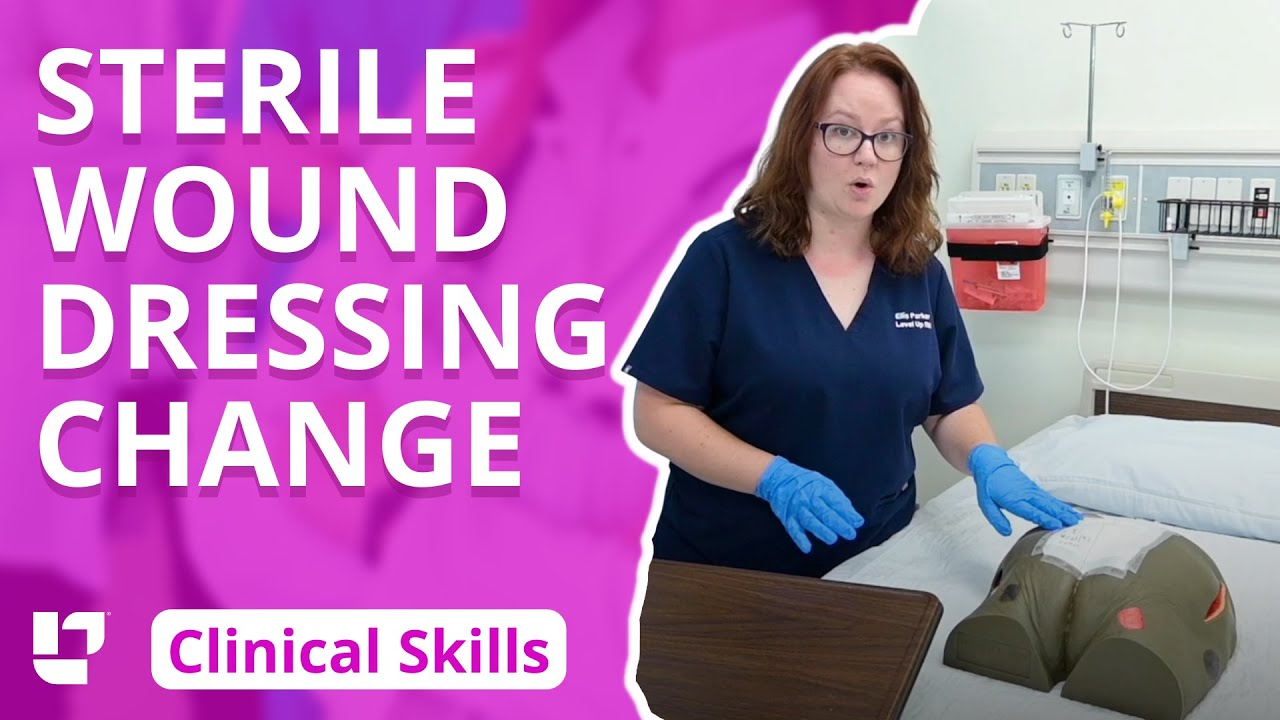
Practical experience is essential in nursing wound treatment training Simulation laboratories provide safe atmospheres where trainees can exercise clothing changes, make use of medical tools, and participate in client simulations prior to going into real-world settings.
Challenges Faced by Injury Care Nurses
Managing Complicated Cases
One of one of the most considerable obstacles in injury treatment nursing is taking care of complex situations including multiple comorbidities like diabetes or vascular conditions. Such conditions make complex recovery processes and need innovative understanding for reliable management.
Emotional Toll on Nurses
Caring for clients with chronic wounds often features emotional burdens due to long term therapies and the possibility for poor outcomes. Techniques for self-care are important in mitigating tension among injury treatment professionals.
Essential Abilities Created During Injury Care Nurse Training
Clinical Skills
Through wound treatment training, registered nurses find out important clinical abilities such as:
- Accurate analysis techniques Effective clothing application Infection control protocols
These expertises prepared for effective person outcomes.
Communication Skills
Effective interaction is essential when discussing treatment strategies with patients and their families-- especially when enlightening them about self-care techniques or addressing problems regarding healing timelines.
Technological Developments in Wound Management
Innovative Therapies Readily available for Nurses
With innovations in technology come brand-new tools that enhance injury management:

- Bioengineered skin substitutes Negative pressure wound treatment (NPWT) Telehealth solutions
Training programs now incorporate these innovations right into their educational program to make sure that nurses excel when they go into professional practice.

The Function of Evidence-Based Technique in Wound Treatment Management
Importance of Research in Nursing Practices
Adopting evidence-based techniques ensures that nurses give high-grade care based upon current research findings as opposed to obsolete techniques or anecdotal evidence.
Chronic Wound Care Management Strategies
Developing Comprehensive Therapy Plans
For patients with persistent wounds, establishing customized therapy plans is important. These plans ought to attend to underlying issues such as poor circulation or inadequate nutrition while offering careful monitoring throughout the healing process.
NDIS Injury Care Initiatives
Supporting Individuals with Specials needs via Specialized Programs
The National Special needs Insurance coverage System (NDIS) has details standards customized toward people calling for comprehensive wound administration assistance due to handicaps or persistent health conditions.
Continuing Education Requirements Post-Certification
Continuous professional development makes sure that qualified wound treatment professionals stay notified regarding progressing best practices within their area-- a necessity offered rapid developments across healthcare industries today!
Networking Opportunities within Expert Organizations
Engaging with expert organizations cultivates collaboration among peers allows sharing experiences leading in the direction of improved requirements across numerous techniques globally!
The Future Landscape of Injury Treatment Nursing Careers
Through ongoing innovations combined alongside boosted demands throughout society's maturing populace; chances abound within this specialty location!
FAQs concerning Wound Care Nurse Training
What qualifications do I need to become an injury care nurse?
To end up being a certified wound treatment nurse you typically require an energetic RN license along with specialized training programs focusing specifically on innovative methods associated straight in the direction of handling complex/chronic wounds effectively!
How long does it take to complete a wound care training program?
Most programs last anywhere from several weeks up until several months relying on whether they offer part-time/full-time alternatives available together with training course web content depth.
Are there online choices readily available for getting certification?
Yes! Lots of institutions currently use wound treatment training courses on-line making them accessible regardless geographical location!
What are some typical certifications identified within this field?
Commonly acknowledged certifications include CWCN (Qualified Injury Care Registered Nurse), CWS (Qualified Wound Expert), & & AWCP (Advanced Injury Care Practitioner).
Is proceeding education necessary after certification?
Yes! Ongoing education and learning requirements ensure professionals stay updated pertaining to progressing techniques/methodologies which eventually boosts client end results lasting!
li24/ol3/##
Conclusion
In recap, Wound Care Nurse Training: Getting Ready For Real-World Challenges stands for a necessary path in the direction of ending up being efficient practitioners efficient in browsing complex person circumstances efficiently while delivering remarkable top quality health care solutions general! With strenuous scholastic preparation combined along with hands-on experiences acquired during this journey-- students arise prepared furnished not simply take on instant issues however also proactively handle future challenges ahead ensuring optimal outcomes achieved every action along method ahead with each other collaboratively moving towards brighter perspectives filled hope change lives touched positively forevermore!